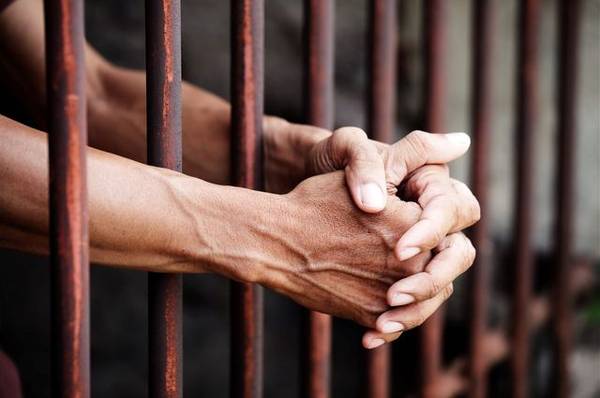
Seeking Women for Documentary (Paid): Life After Incarceration
‹image 1 of 2›
compensation:$50 for a 2-hour video interview
QR Code Link to This Post
Are you a woman who has recently returned home? We are producing a professional documentary focused on the unique challenges and triumphs of women re-entering society after incarceration.
Our goal is to give a platform to voices that are often ignored and to highlight the systemic hurdles - from housing and employment to family reunification - that women face during their first few months of freedom.
We are looking for individuals who:
* Identify as female.
* Were released from prison or jail within the past 6 months.
* Were incarcerated for non-violent offenses (e.g., drug-related, property, or technical violations).
* Are willing to share their story on camera in a safe, respectful environment.
Project Details:
* Compensation: $50 for a 2-hour interview.
* Location: Remote/Zoom
* Privacy: We handle all stories with the utmost care. You will have the opportunity to discuss how your story is framed.
If you are interested in helping others understand the reality of re-entry, please reply to this post with your name, a brief summary of your journey since release, and the best way to contact you.
Key statistics regarding women’s re-entry in the United States as of 2024–2025:
1. The Scale of the Issue
* Massive Annual Release: Approximately 1.9 million women are released from U.S. prisons and jails every year.
* Rising Numbers: While incarceration rates for men have stabilized or declined in some areas, the number of women in prison has grown by nearly 700% since 1980.
* Non-Violent Offenses: Women in state prisons are significantly more likely than men to be incarcerated for non-violent crimes. About 26% are there for drug offenses (compared to 12% of men) and 18% for property crimes.
2. Employment & Housing Barriers
* The Job Gap: Formerly incarcerated women face an unemployment rate of nearly 43%. Even when employed, they are often funneled into low-wage, "pink-collar" jobs with little stability.
* Callback Rates: Studies show that women with a criminal record are 30% less likely to receive a job callback than men with a similar record, suggesting a "double stigma" of gender and justice involvement.
* Homelessness: Formerly incarcerated women are higher-risk for homelessness than formerly incarcerated men, often because they are also seeking housing that can accommodate children.
3. Family & Motherhood
* Primary Caregivers: Roughly 58% of women in state prisons and 80% of women in local jails are mothers to minor children.
* Reunification Hurdles: Re-entering women often face the immediate, high-pressure task of regaining custody or supporting children while simultaneously meeting parole requirements and searching for work.
4. Recidivism Trends
* Technical Violations: Up to 61% of women are rearrested within three years of release, but research shows these are often for "technical violations" (like missing a meeting or failing to pay a fee) rather than new crimes.
* Success Factors: Women who participate in gender-responsive re-entry programs are 44% less likely to recidivate than those who do not.